Trusted Woodside Locksmiths Service Team
Local locksmith team
Jul 3, 2026 12 min read
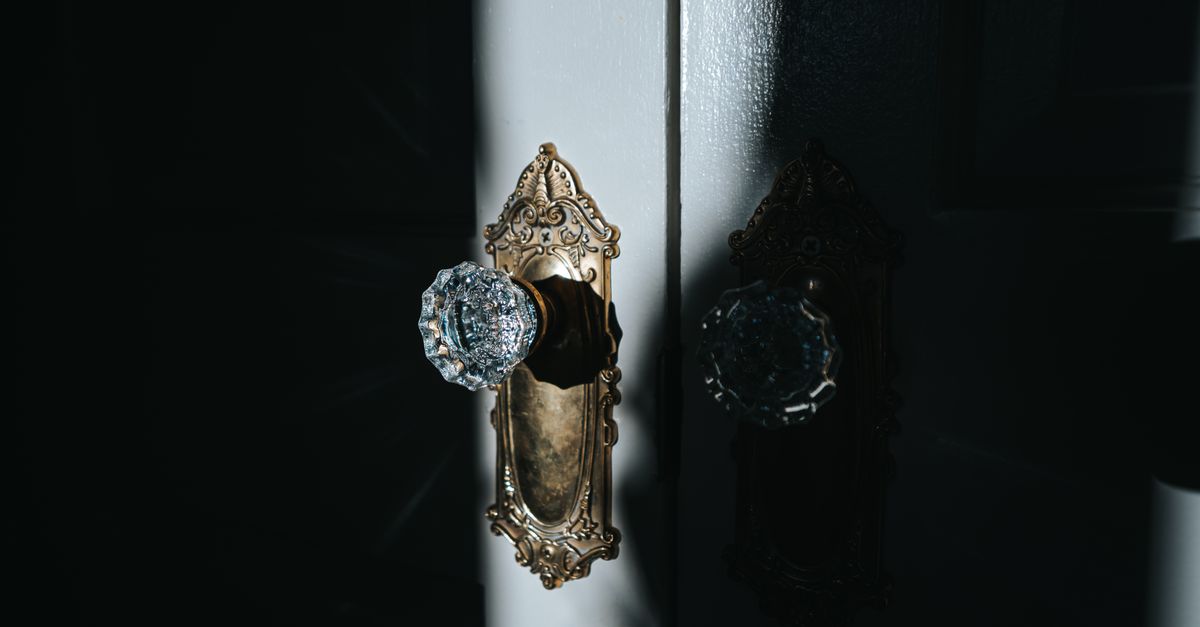
If you live in a pre-war building along Roosevelt Avenue, or in one of the older walk-up apartment blocks tucked between Woodside Avenue and Junction Boulevard in Elmhurst, there is a good chance your front door is still fitted with its original mortise lock — a deep, rectangular steel mechanism that slides into a pocket cut into the door's edge rather than simply bolting through a hole drilled in the face. These locks were standard in New York City apartment construction from roughly the 1900s through the 1940s, and they are still doing their job in thousands of Queens doors today. When one finally fails, or when a landlord or new tenant wants to rekey or replace the hardware, the job is not as simple as swapping in a modern cylindrical lockset from a hardware store.
Understanding what is a mortise lock, why it differs from the hardware on newer doors, and what a professional door lock installation actually involves in an older building will save you time, money, and a lot of frustration. This guide walks through the real-world process — from diagnosing the problem to choosing the right replacement mortise lock set — with the specific quirks of pre-war Queens apartments in mind.
## What Is a Mortise Lock and Why Pre-War Queens Buildings Are Full of Them
A mortise lock is a self-contained unit that houses the latch, the deadbolt, and sometimes a privacy knob function all inside a single steel case. That case is recessed — or 'mortised' — into a rectangular pocket in the door stile, which is the vertical framing member along the door's locking edge. Because the body of the lock is hidden inside the door, the only parts you see from the outside are the cylinder (the keyhole plug), the escutcheon plate, and the trim. This design became the default for heavy hardwood apartment doors because it is mechanically robust, distributes stress across a wide area of the door stile, and can accommodate multiple locking functions without requiring multiple cutouts. Pre-war construction in neighborhoods like Woodside and Elmhurst used old-growth Douglas fir and oak for door stiles — dense, thick lumber that could easily accept a deep mortise pocket without splitting. That same density is part of why these doors are still solid nearly a century later, and it is part of why the lock repair job takes more skill than a standard residential lock installation.
The original hardware in these buildings was commonly manufactured by now-classic American brands. A Corbin Russwin mortise lock — or its predecessors sold under the Corbin name before the 1980s merger — turns up constantly in Woodside apartment buildings. Sargent and Yale units are also common. These mechanisms were built to a high standard, but after 80-plus years the internal springs weaken, the cam that drives the latch can wear flat, and the mortise lock cylinder itself becomes loose in its housing, creating the wiggle-then-grind sensation that tenants describe when a key starts to feel 'sticky.' Identifying the exact manufacturer and series matters because the replacement unit must match the pocket dimensions that were cut into the door almost a century ago.
## Diagnosing the Problem Before Any Lock Installation Begins
Not every failing mortise lock needs full replacement. A skilled locksmith Queens appointment usually starts with a short diagnosis that narrows the problem to one of three areas: the cylinder, the case, or the trim and door alignment. A worn mortise lock cylinder — the removable plug that your key actually turns — can often be replaced or rekeyed independently without pulling the entire case out of the door. Cylinder replacement is faster, less invasive, and appropriate when the internal case is still operating smoothly. If, however, the latch is dragging, the deadbolt is not throwing cleanly to full extension, or the case has developed play side-to-side inside the pocket, the case itself needs to come out.
Door alignment is the third variable that is easy to overlook. Pre-war apartment buildings in Queens have settled over decades, and door frames are rarely perfectly plumb anymore. A mortise lock that was correctly installed in 1938 can start behaving erratically simply because the door has sagged two or three millimeters relative to the strike plate. Before recommending full hardware replacement, our locksmiths check the gap between the door and frame at the top, middle, and bottom, and test how cleanly the latch and bolt seat into the strike. Sometimes a strike plate adjustment solves the problem entirely. This diagnostic step is the difference between a genuine repair and an unnecessary parts bill — and it is exactly what you should expect from an experienced professional before any work begins.
## The Mortise Lock Replacement Process Step by Step
Once the diagnosis confirms that the case needs to come out, the lock installation process in a pre-war door follows a specific sequence. The technician first removes the knob or lever handles and the escutcheon trim plates on both sides of the door to expose the set screws that hold the cylinder and the through-bolts that clamp the case in the pocket. The cylinder is backed out using a flat-blade tool and the correct follow-key or cylinder clip release — a step that requires knowledge of the original manufacturer's system. With the cylinder out, the case can be slid free from the pocket. At this point the technician measures the pocket precisely: height, width, depth, and the location of the spindle and cylinder holes relative to the face of the door and the door edge.
Finding a direct drop-in replacement for a Corbin Russwin mortise lock or a vintage Yale unit is not always straightforward. Our locksmiths carry a working inventory of both new-production mortise lock sets from current manufacturers and quality refurbished cases that match common pre-war pocket dimensions. When a new case drops into the pocket without modification, installation is clean and fast. When the pocket dimensions fall slightly outside standard modern sizing — which happens in some of the older Woodside buildings where builders used non-standard door thickness — the technician may need to square the pocket slightly or fabricate a sub-plate to create a clean, rattle-free fit. The goal in every case is a lock that operates with the same smooth, positive feel the original did on the day it was installed. Once the new case is seated, the cylinder is inserted and set, handles are reinstalled, and the bolt and latch travel are tested through at least a dozen full cycles before the job is called complete. If you are mid-project and have questions about whether your specific hardware is worth saving, call us at (347) 697-1763 — we answer around the clock and can often give you a preliminary read based on a photo of the existing hardware.
## Upgrade Options: Modern Mortise Lock Sets and Smart Lock Installation
Many Woodside and Elmhurst tenants and landlords use a lock replacement as an opportunity to upgrade. There are two sensible directions. The first is a modern mortise lock set from a current manufacturer — Schlage's L-series commercial mortise line, for example, fits many pre-war pocket dimensions and brings with it current keyway technology, anti-pick pins, and the option for a restricted key system that limits unauthorized duplication. These are the same heavy-duty units used in commercial locksmith work on office buildings and retail spaces, which makes them a meaningful durability upgrade over worn vintage hardware while preserving the original door aesthetic.
The second direction is smart lock installation, which is increasingly popular in Queens rental units. Fitting a smart lock into a pre-war door is not as simple as it sounds, however. Most consumer smart locks are designed around standard cylindrical or deadbolt prep holes, not a mortised pocket. True mortise-compatible smart lock sets do exist — they use a motorized case that drops into the existing pocket — but they must be matched carefully to the door's prep dimensions and power source options. In a pre-war building, there is rarely an accessible power line near the door, so battery-operated units are the norm, and battery life management becomes part of the conversation. Our team has completed smart lock installations in pre-war buildings throughout Queens, and we can walk you through which products are genuinely compatible with your specific door before any hardware is purchased. A well-matched smart lock in a solid pre-war door is an excellent combination — you get a century of mechanical durability behind modern access control.
## What Determines the Final Price, and How Our Process Works
A question we hear constantly is how much a mortise lock replacement will cost. The honest answer is that the final quote depends on several specific factors: the age and condition of the existing pocket and door stile, whether the replacement case is a direct drop-in or requires pocket modification, the specific lock set chosen (a rekeyed refurbished case costs differently than a new restricted-key mortise lock set), the time of day the work is requested, and the travel distance to your location within Queens. Emergency locksmith calls made in the middle of the night on a weekend involve different labor considerations than a scheduled afternoon appointment. What we commit to in every case is confirming an exact, up-front price before a single tool is picked up — no surprise additions at the end of the job.
It is also worth understanding the difference between a residential locksmith visit for a door knob lock or mortise lock and a commercial locksmith engagement for a multi-unit building. Property managers overseeing a pre-war Queens building with a dozen apartment doors have different needs than a single tenant — rekeying schedules, master key systems, and ADA-compliant lever trim all come into the commercial conversation. We handle both, and we can discuss either scenario in detail when you call. Whether it is one apartment door or an entire floor, the process starts the same way: a clear assessment, an honest quote, and work that does not begin until you have agreed to the price. Call (347) 697-1763 any time — our mobile team serves Woodside, Elmhurst, Jackson Heights, Sunnyside, and the surrounding Queens neighborhoods 24 hours a day, seven days a week.
Frequently asked questions
Can a locksmith let me into my apartment if I am locked out?+
Yes — verifying that you are the resident is the first step. A trained locksmith will ask for identification and, in a rental building, may ask for a lease document or will note your ID details before opening the door. In a pre-war Queens apartment with a mortise lock, a skilled technician can open the door using legitimate service methods without damaging the lock or the door. Once you are inside, the locksmith can also assess whether the lock itself is the reason the key stopped working, or whether it was simply a user error — a cylinder that needs lubrication, for example. What a reputable locksmith will never do is open a door for someone who cannot demonstrate a legitimate claim to the property.
What locks can locksmiths not open?+
A professional locksmith can open the vast majority of residential and commercial locks encountered in day-to-day service calls, including older mortise lock sets and high-security cylinders. The exceptions are typically very specialized high-security systems designed specifically to resist service entry — certain vault-grade locks, for instance — or situations where significant door or frame damage would make any entry attempt destructive rather than legitimate. In practice, in a pre-war Queens apartment, there are very few standard lock configurations our experienced team has not encountered. If there is a specific hardware situation you are uncertain about, a quick call to (347) 697-1763 will tell you what is realistic before you commit to a service visit.
Do you need a license to be a locksmith in New York?+
New York State does not currently maintain a mandatory statewide licensing regime specifically for locksmiths in the same way some other states do, though New York City has its own registration requirements for locksmith businesses operating within the five boroughs. What matters practically is that the technician arriving at your door is trained, experienced, insured, and represents a legitimate business that can provide verifiable contact information and a written record of the work performed. Our team is insured and operates with full transparency — we provide identification, document the service, and confirm pricing in writing before starting. When evaluating any locksmith, ask whether they are insured, ask for a written quote before work begins, and verify that the business has a real local presence rather than a call-center number rerouted from out of state.
Is it worth replacing an old mortise lock in a pre-war apartment, or should I just rekey the cylinder?+
It depends on what is actually failing. If the internal case is operating smoothly — the latch springs back cleanly, the deadbolt throws to full extension without binding, and there is no lateral play in the case inside the pocket — then rekeying or replacing just the mortise lock cylinder is almost always the right call. It is faster, less invasive, and respects the integrity of the original door prep. If the case itself is worn, if the latch is dragging on the strike plate due to internal wear rather than door settling, or if the spindle connection to the knob has become sloppy, replacement of the full case makes more long-term sense. A pre-war door with a well-fitted new mortise lock set will outlast most modern doors — the underlying wood and construction quality is genuinely superior. Our locksmiths will give you an honest recommendation after the diagnostic, not simply the option that generates the larger job.