Trusted Woodside Locksmiths Service Team
Local locksmith team
Sep 25, 2026 12 min read
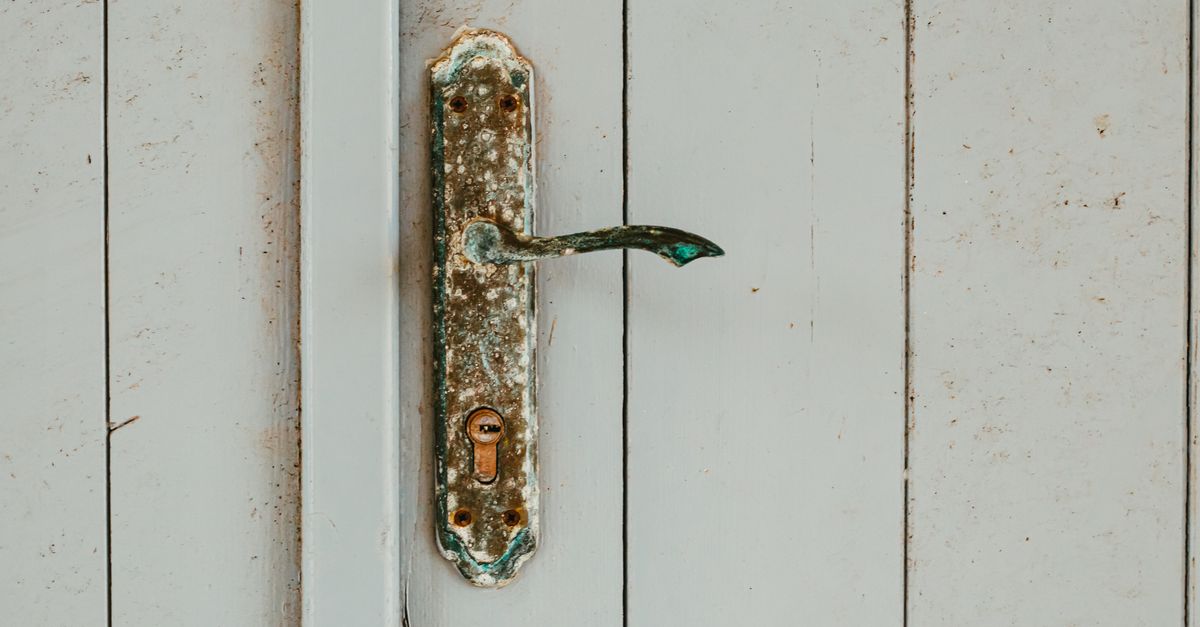
If you live in a pre-war apartment building along Queens Boulevard, a century-old brownstone near Jamaica Avenue, or a converted two-family home in Woodside or Sunnyside, there is a good chance your front door is hiding a very different kind of lock than what most people picture when they think of a deadbolt. Queens has one of the most architecturally varied housing stocks in New York City, and that variety means two completely different locking systems often share the same block — sometimes the same hallway. Knowing which type of lock your door uses is not trivia. It is the difference between a quick repair and an expensive surprise.
This guide is written for Queens homeowners and renters who want to understand what is actually inside their door — specifically, how to tell a mortise lock from a bored cylinder lock (the kind most people are more familiar with), why each type behaves differently when something goes wrong, and what to expect when you call a locksmith to fix, rekey, or replace either one. We will keep it practical and skip the jargon wherever possible.
## What Is a Mortise Lock — and Why Queens Doors Have So Many of Them
A mortise lock is a lock mechanism that fits into a deep rectangular pocket — called a mortise — cut directly into the edge of a door. Unlike a standard bored lock (the type installed by drilling two round holes through the face of the door), a mortise lock set is a self-contained unit that houses the latch, the deadbolt, and sometimes a privacy turn all in one metal case. That case slides into the mortise cavity and is held in place by a faceplate screwed flush to the door edge. On the door face you see trim plates, a lever or knob handle set, and a separate keyhole or cylinder — but the mechanical heart of everything is buried inside the door. This design has been the standard for commercial and residential buildings in New York since the early 1900s, which is exactly why you will find it in so many older Queens buildings.
Walk through the lobby of almost any pre-war building near Astoria Park, check the apartment doors on the upper floors of a Jackson Heights co-op, or look at the front entry of a Tudor Revival home in Forest Hills Gardens, and you will almost certainly see a mortise lock. Manufacturers like Corbin Russwin have supplied mortise hardware to New York City buildings for generations, and Baldwin mortise lock sets have been a popular upgrade choice for homeowners who want heavy-duty security with an elegant finish. The deep pocket design gives the lock incredible strength because the bolt engages deep into the door frame rather than relying on a shallow bore — but it also means that repairs require a skilled hand, because you are working inside the door rather than simply swapping out an exposed cartridge.
## How to Tell Which Lock Your Door Has — A Practical Visual Check
You do not need any tools to figure out which lock system your door uses. Start by looking at the edge of the door when it is open. If you see a tall, narrow metal faceplate — usually two to four inches tall — with two or more bolt openings stacked vertically (one for a latch, one for a deadbolt, sometimes one more for a secondary bolt), you almost certainly have a mortise lock. The door edge around that faceplate will also look noticeably thick and solid, because there is a cast metal box sitting inside it. Now look at the face of the door. A mortise lock set on an exterior door typically has a separate keyhole below the handle — sometimes a round cylinder hole, sometimes a traditional skeleton-key escutcheon on very old hardware. If the keyhole and the handle trim are connected by a tall vertical backplate, that is another strong indicator.
A bored cylinder lock looks very different. Open the door and look at the edge — you will see a small, nearly square latch plate with just one opening, and possibly a second small plate higher up for a separately installed deadbolt. On the face of the door, the knob or lever is mounted on a round rose (a small circular plate), and any deadbolt is a completely separate unit with its own round rose above or below. The two round holes drilled through the door face — one large for the knob mechanism, one smaller for the cylinder — are the hallmark of this system. Most hardware store lock replacement kits, including standard Schlage and Kwikset units, are designed for this bored-in format. If your door has the vertical backplate and the deep edge pocket, a standard hardware store kit will not fit, and trying to force one will damage the door.
## Why the Lock Type Matters for Repairs and Lockouts — Call (347) 697-1763
Here is where the practical stakes become real. When a bored cylinder lock fails — whether the knob stops turning, the deadbolt sticks, or you are locked out — the fix often involves removing and replacing a self-contained cartridge. Parts are widely available, the labor is relatively straightforward, and a trained locksmith can usually complete the job quickly. When a mortise lock fails, the diagnosis and repair are more involved. The mechanism inside the mortise cavity has multiple moving parts: a cam, springs, a hub, a follower, and a lock cylinder, all working together. A worn spring inside the case can make the latch stop retracting. A broken cam can disconnect your key from the bolt entirely. Getting to those parts means either pulling the entire lock case out of the door or working through the cylinder opening — neither of which is a job for improvisation.
The mortise lock cylinder itself is also a distinct component. On many older Queens doors, the cylinder is a rim cylinder or a standard mortise cylinder that threads into the case. Rekeying or replacing just the cylinder — which is the right move when you move into a new apartment or lose a key — requires pulling that cylinder out of the mortise case without disturbing the rest of the mechanism. A professional locksmith who works regularly on Queens building hardware will know how each generation of these locks is assembled and which cylinder formats are interchangeable. If you are dealing with a lockout, a damaged lock, or a key that no longer works smoothly, calling an experienced locksmith is the right first step rather than attempting to disassemble hardware you have not worked with before. Our team at Trusted Woodside Locksmiths handles mortise lock repairs and rekeying throughout Queens every day — reach us any time at (347) 697-1763.
## Mortise Lock Set Exterior Door Considerations — Upgrades, Rekeying, and When to Replace
Older mortise hardware is often remarkably durable — a well-made Corbin Russwin mortise lock or a Baldwin mortise lock set installed decades ago may still function perfectly with nothing more than a cylinder rekey and light lubrication. But there are situations where replacement makes more sense than repair. If the lock case itself is cracked, if the bolt does not fully extend because the mechanism is worn through, or if the door has been reinforced and the existing mortise cavity no longer lines up correctly with the strike plate in the frame, a full lock case replacement is the right call. Replacing a mortise lock set on an exterior door is a more involved job than swapping a bored lock — the new case has to match the existing mortise pocket dimensions, the cylinder format, and the backset distance — but it is a routine service for a locksmith experienced with older New York residential hardware.
Upgrading is also a common request. Homeowners who want modern high-security cylinders — bump-resistant, pick-resistant, with restricted keyways — can often have those cylinders fitted into an existing mortise case without replacing the entire lock set, which preserves the original door and hardware while meaningfully improving security. If you are moving into a Queens apartment or home, rekeying the existing mortise cylinders (rather than replacing the whole lock) is almost always the fastest and most practical way to ensure no previous tenant or owner has a working key. The factors that affect the final price for any of this work include the specific lock model, the number of cylinders, any parts that need to be ordered, and whether the job requires after-hours service — we confirm an exact price upfront before any work begins.
## What Queens Locksmiths Actually Do — Services for Homes, Buildings, and Vehicles
A professional mobile locksmith serving Queens handles a much wider range of situations than most residents realize until they need one. The following is a representative list of what our team at Trusted Woodside Locksmiths provides across the borough: residential lockout service, commercial lockout service, mortise lock repair and replacement, mortise lock rekeying, bored cylinder lock installation, door knob lock repair and replacement, deadbolt installation, high-security cylinder upgrades, master key system design and installation, rim lock service, mailbox lock replacement, gate lock repair, intercom and electric strike integration, lock hardware consultation for landlords and property managers, emergency locksmith response for broken keys in locks, key extraction, key duplication, key cutting for restricted keyways, car lockout service, transponder key programming, key fob replacement, ignition lock repair, motorcycle key service, safe opening and combination change, and commercial locksmith services for offices, retail spaces, and multi-unit residential buildings throughout Queens. Whether you are dealing with a worn door knob lock on a Flushing apartment or a snapped transponder key on the Grand Central Parkway, our team comes to you — fully equipped to handle the job on the spot.
Queens is a borough where a single block can contain pre-war walk-ups, postwar brick buildings, and newly converted commercial spaces, all with completely different hardware generations. That range is exactly why our locksmiths carry parts and tools for multiple lock generations and formats rather than a one-size kit. From a rim cylinder lock on a 1920s Woodside tenement door to a modern electronic access control installation on a Jamaica commercial property, we have the training and hands-on experience to diagnose and fix the problem the first time. If you are not sure what kind of lock your door has, call us at (347) 697-1763 and describe what you see — we can often narrow it down before we arrive, which means we show up with the right parts and get you back to your day faster.
Frequently asked questions
Can a locksmith let me into my house if I am locked out?+
Yes — responding to residential lockouts is one of the most common calls we handle in Queens. When you contact us, we will ask you to verify that you are the resident or authorized occupant, which is a standard and important step. We do not provide step-by-step entry instructions over the phone because every lock situation is different and attempting the wrong approach can damage the door or lock. What we do instead is dispatch a trained locksmith to your location, assess the door and lock type on arrival, and use professional techniques appropriate for that specific lock — whether it is a mortise lock, a bored cylinder, or a rim lock — to open the door without unnecessary damage. If you are locked out, the safest and fastest path is to call (347) 697-1763 rather than attempting anything that could make the situation worse or more expensive to fix.
What locks can locksmiths not open?+
A skilled, experienced locksmith can open the vast majority of residential and commercial locks encountered in Queens, including older mortise lock sets, modern high-security cylinders, rim locks, deadbolts, and car door locks. Locks that are more time-intensive — or that may require partial disassembly — include very high-security restricted-keyway cylinders and certain smart locks with encrypted electronic components. In practice, the question is less about whether a lock can be opened and more about the right method: a professional locksmith chooses the approach that opens the lock with the least possible damage, which sometimes means picking, sometimes decoding, and sometimes controlled drilling as a last resort. If a lock needs to be drilled, you will know before any work starts, and we will have a replacement option ready. We never discuss specific bypass or picking techniques in detail, as that information is not appropriate for public sharing.
Do you need a license to be a locksmith in New York?+
New York State does require locksmiths to be registered with the state, and New York City has its own additional licensing requirements for locksmith businesses operating within the five boroughs, including Queens. This matters to you as a customer because it means you should confirm that whoever is working on your door or vehicle is operating legitimately. Our team at Trusted Woodside Locksmiths is insured and meets the requirements for operating in Queens and the surrounding area. When you call a locksmith, it is reasonable to ask for identification and business information before allowing work to begin — any professional locksmith will expect that question and answer it without hesitation.
How much does it cost to call an emergency locksmith in Queens?+
There is no single answer because several factors combine to determine the final price: the type of lock involved (a mortise lock set repair is more involved than a simple cylinder rekey), the time of day (after-hours and overnight calls involve different pricing than standard daytime calls), travel distance to your location within Queens, and whether parts need to be replaced versus repaired. What we can tell you clearly is that we provide an exact, confirmed price before any work begins — there are no surprise charges added after the job is done. If you call us at (347) 697-1763, we will ask a few questions about your situation and give you a firm quote before we dispatch or start work, so you can make an informed decision with no pressure.